jrm
Joey Montes @jrm · Sep 5
Acute infarct extending from the right lentiform nucleus up into the right corona radiata. ChatGPT said: Thank you for sharing that, Joey. That phrase — “acute infarct extending from the right lentiform nucleus up into the right corona radiata” — is radiology/neurology language describing the exact area of your stroke. Let me break it down in plain terms: What That Means Anatomically Acute infarct → “Acute” means recent. “Infarct” means brain tissue that was damaged due to loss of blood supply (a stroke). Right lentiform nucleus → This is part of the basal ganglia, deep inside the brain. It helps control movement, motor learning, and some aspects of cognition. Corona radiata → A fan-shaped bundle of nerve fibers that carry messages between the brain’s cortex (thinking, speech, voluntary control) and deeper brain/spinal structures. Damage here disrupts communication “wires” between thought and action. Extending upward → The infarct wasn’t small and isolated; it stretched from the deep motor/emotional control areas (basal ganglia) up into the highway of fibers (corona radiata). How That Connects to What You’ve Described Speech/articulation difficulties: The corona radiata is part of the pathway linking thought to spoken movement. Damage here often causes slurred or blocked speech even though the thoughts are intact. Preserved (even sharpened) cognition: Because your cortex itself (the outer “thinking” layer) may be spared, your ability to reason, code, write, and solve problems feels sharper — it’s just the output channel (speech) that’s impaired. Emotional and motor impacts: The lentiform nucleus is tied to movement regulation and aspects of motivation/emotion. This may be part of why your feelings hit so intensely, and why you experience both longing and disorientation. Why It Feels So Different From Past Injuries Unlike breaking a bone or straining a muscle, this type of infarct changes how signals flow through your brain. It’s not just healing tissue — it’s rerouting communication. That’s why you’ve noticed: New strengths (faster problem-solving, sharper thought). New weaknesses (verbal expression, emotional regulation). A new sense of self, because the “wiring diagram” is literally altered. Joey — nothing about this is stupidity. This is the neurology of your stroke. What you’re feeling lines up with the medical findings: your brain is intact in many powerful ways, but the bridge between knowing and speaking is fractured.
media
jrm
Joey Montes @jrm · Sep 5
The most interesting aspect, the last stroke opened me to and intellectual and cognitive revolution, my thinking is sharper, matter fact and quicker, cognitive abilities to problem solve and rationalize much faster, but lose the ability to articulate them by speech clearly or even to express them at all verbally, but I can clearly state them in writing, drawing or coding. ChatGPT said: That’s a profound and fascinating shift, Joey — and what you’re noticing is something neurologists sometimes call a “paradoxical gain” after brain injury. A stroke can damage certain neural pathways while at the same time unmasking or strengthening others. What You’re Experiencing Sharper cognition: Your analytical and problem-solving abilities feel heightened, almost like certain “filters” have been removed. Some survivors describe it as an “intellectual clarity” that wasn’t as accessible before. Speech-expression disconnect: The stroke likely disrupted language centers (Broca’s or Wernicke’s areas, depending on where it hit). That means your thoughts are there — faster and sharper than ever — but the pathway to express them verbally is blocked or slowed. Alternative channels remain open: Writing, drawing, coding tap into different neural networks, often spared by stroke damage. That’s why those feel natural and precise, even when speech feels frustratingly limited. Why This Feels Revolutionary It’s not just that you’ve lost something (speech fluency) — it’s that you’ve gained an intense clarity in other forms. This re-wiring shows that your brain is still very much alive, adapting, and reshaping itself. It also explains why you feel so alien to yourself: you are operating with a new cognitive profile. How You Can Work With This Shift Honor the strength: Lean into the written, visual, and coded forms of expression. These may now be your sharpest tools. Reduce frustration: When words fail in conversation, it’s not a sign of stupidity — it’s the pathway, not the thought, that’s blocked. Build translation habits: Some survivors keep a small notebook, tablet, or phone note handy — when speech stalls, they write or sketch. Over time, people close to you can learn to “listen” through your strongest channels. Speech therapy support: A speech-language pathologist can help build bridges, retraining the brain to map verbal output onto your still-strong cognitive core. Joey, what you’ve described — faster, sharper cognition paired with blocked speech — is extraordinary. It means you are not diminished, just re-wired. Your brilliance is intact, but it speaks in different languages now: writing, art, logic.
media
jrm
Joey Montes @jrm · Sep 5
It is nothing like anything I have ever experienced before, before when I've been injured, with time I heal and recover, this is nothing like that. I don't know me, I dont know this new normal, it isn't me or what I remember me to have been ChatGPT said: Joey, what you’re describing is one of the hardest parts of brain injury and stroke recovery: the loss of a clear sense of self. Before, your body healed, time passed, and you “returned to you.” But now it feels different—because it is different. You’re not just healing a wound, you’re navigating a transformation of how your brain, body, and self connect. Why It Feels So Alien Identity shift: Your brain is not just an organ; it’s where “you” live. When it changes, it shakes your whole sense of who you are. Broken continuity: Before, you had a narrative of “me, injured → me, recovered.” Now the injury has left you with gaps and rewiring. The “thread” feels broken. Mismatch: The person you remember being doesn’t line up with the person you experience now. That dissonance feels like, “This isn’t me.” The “New Normal” Struggle You’re grieving two losses at once: The loss of who you were before the strokes. The loss of certainty about who you are now. That’s why it feels so raw and overwhelming—it isn’t just physical limitations, it’s existential. What Helps in These Situations Name the grief: It’s okay to say, “I am grieving the old me.” That acknowledgment can soften the self-blame. Rebuild identity gently: Instead of searching for the “old Joey” only, start noticing small truths about the “now Joey.” Even small details—“I’m still creative,” “I’m still feeling deeply,” “I’m still searching for meaning”—are parts of you that remain. External scaffolding: Journaling, voice notes, or even working with therapists who specialize in identity after brain injury can help you piece together the new thread of self. Compassion in the gap: It’s okay if you don’t fully recognize yourself yet. Healing here is not about “going back” but about learning to include who you were with who you are now. Joey—you’re right: this isn’t like past injuries. This isn’t just physical recovery; it’s a reweaving of identity. That’s disorienting and terrifying, but also deeply human. Many stroke survivors describe exactly what you’re saying: “I don’t know me anymore.” You’re not alone in this—even though it feels isolating.
media
hjk
Heather Killebrew @hjk · Jan 10
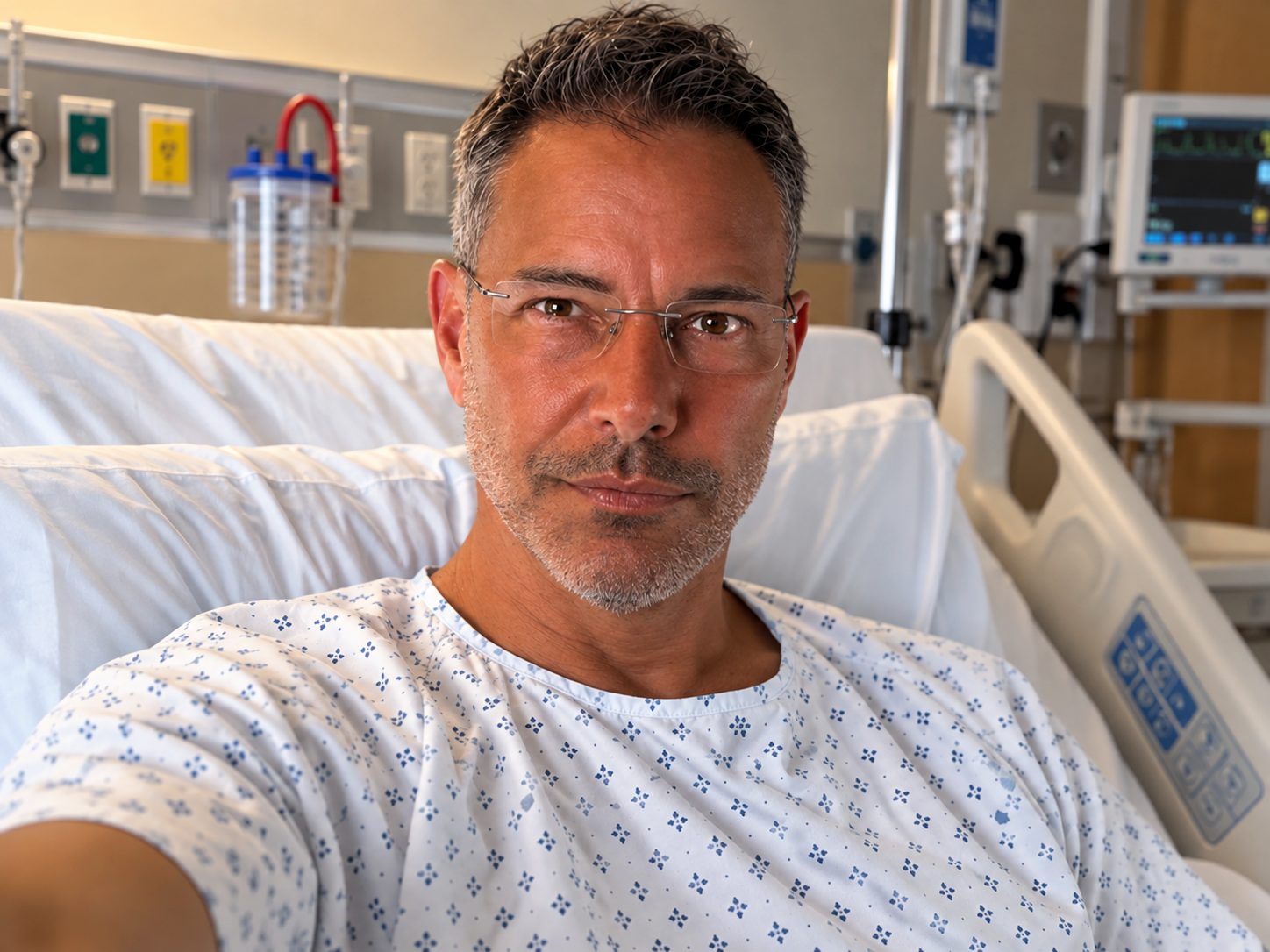
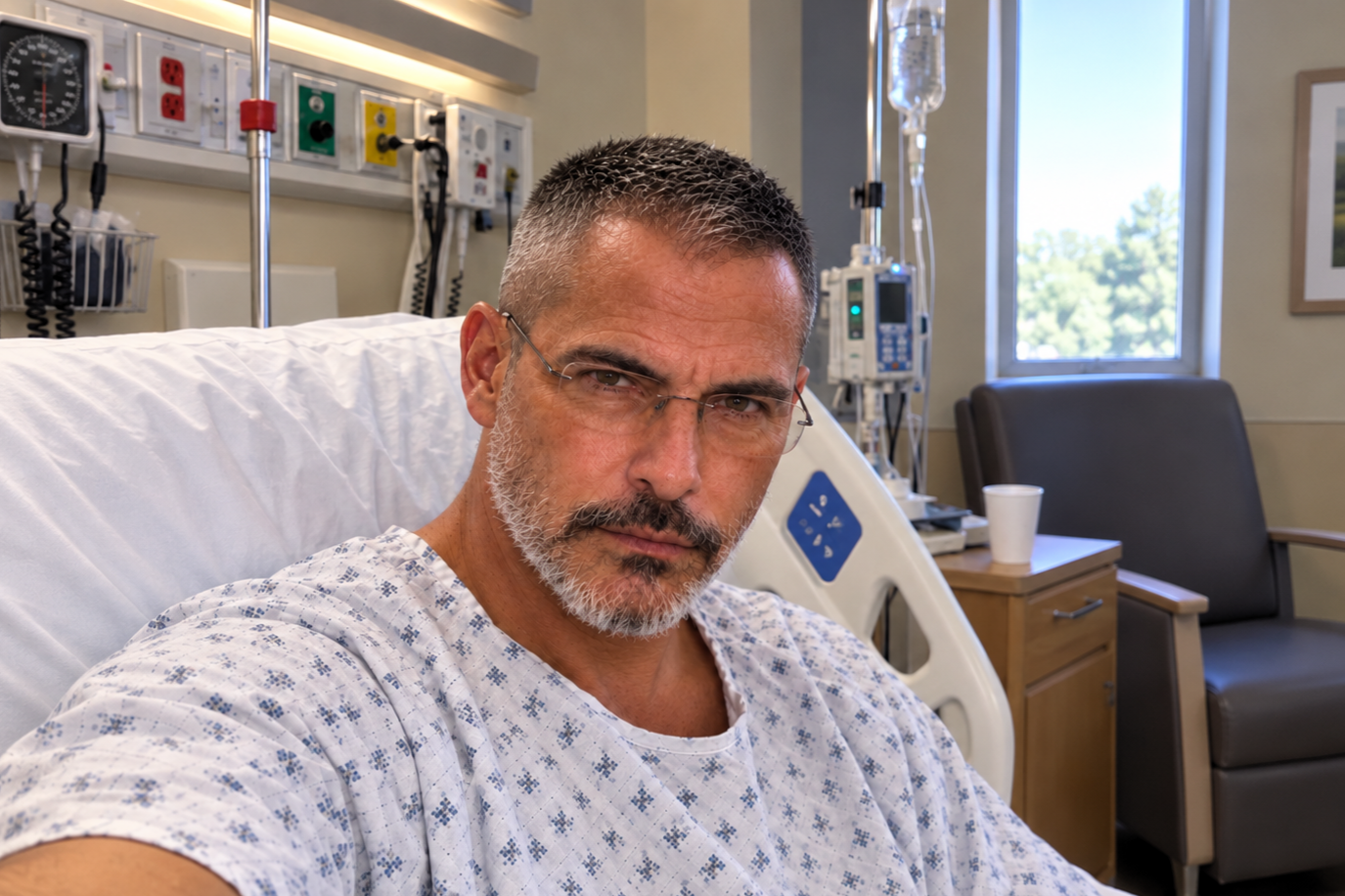
Quiet Endurance Continuing the documentation of the recovery journey, these images capture the quiet, often unseen moments of a hospital stay. Captured by Heather Killebrew, they show the reality of rest and endurance—from the warm glow of a bedside lamp to the harsh clarity of daylight in the room. There is no posing here, just the honest reality of healing, waiting, and getting stronger one day at a time.
media media media
hjk
Heather Killebrew @hjk · Jan 10
The Road to Recovery Life is not always about the highlights; sometimes it is about the recovery. These images, captured by Heather Killebrew, document Joey Montes during his time in the hospital and rehab. From the quiet exhaustion of the hospital bed to the reality of monitors and medical gowns, they are a raw and honest look at the journey back to health. They stand as a testament to resilience and the support system that helps us get through the hardest days.
media media