


My stroke did not end when I left the hospital.
That may be one of the hardest things to explain about surviving one. There is the emergency itself, and then there is everything that comes afterward—the work of figuring out what changed, what may improve, what still needs to be retrained, and what may simply become part of your new normal.
I still live with lasting effects.
There is weakness and stiffness on my left side. My left leg does not always move as naturally as it once did, and I have had to consciously retrain it to walk with a more normal gait. Something I spent most of my life doing without thinking can now require attention: how the leg swings forward, where the foot lands, whether I am compensating, and how fatigue changes my movement.
My vision was affected too. That changes more than what I see. It changes how I move through an environment, how I judge what is around me, and how much concentration ordinary situations can require.
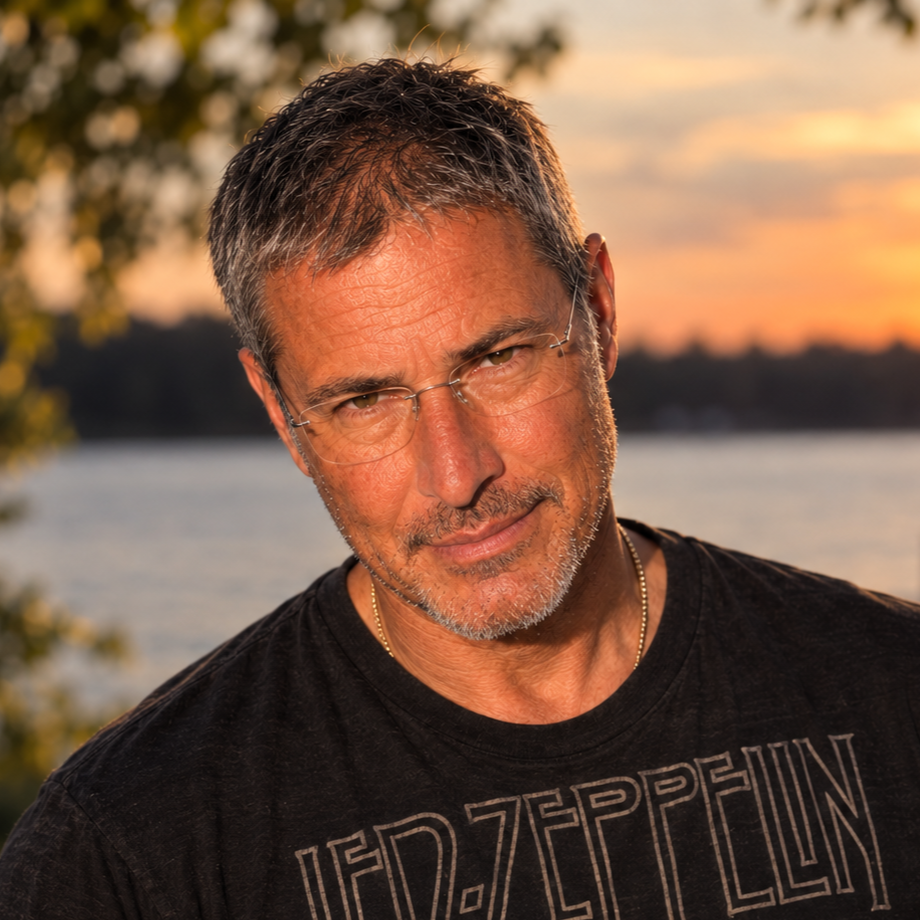
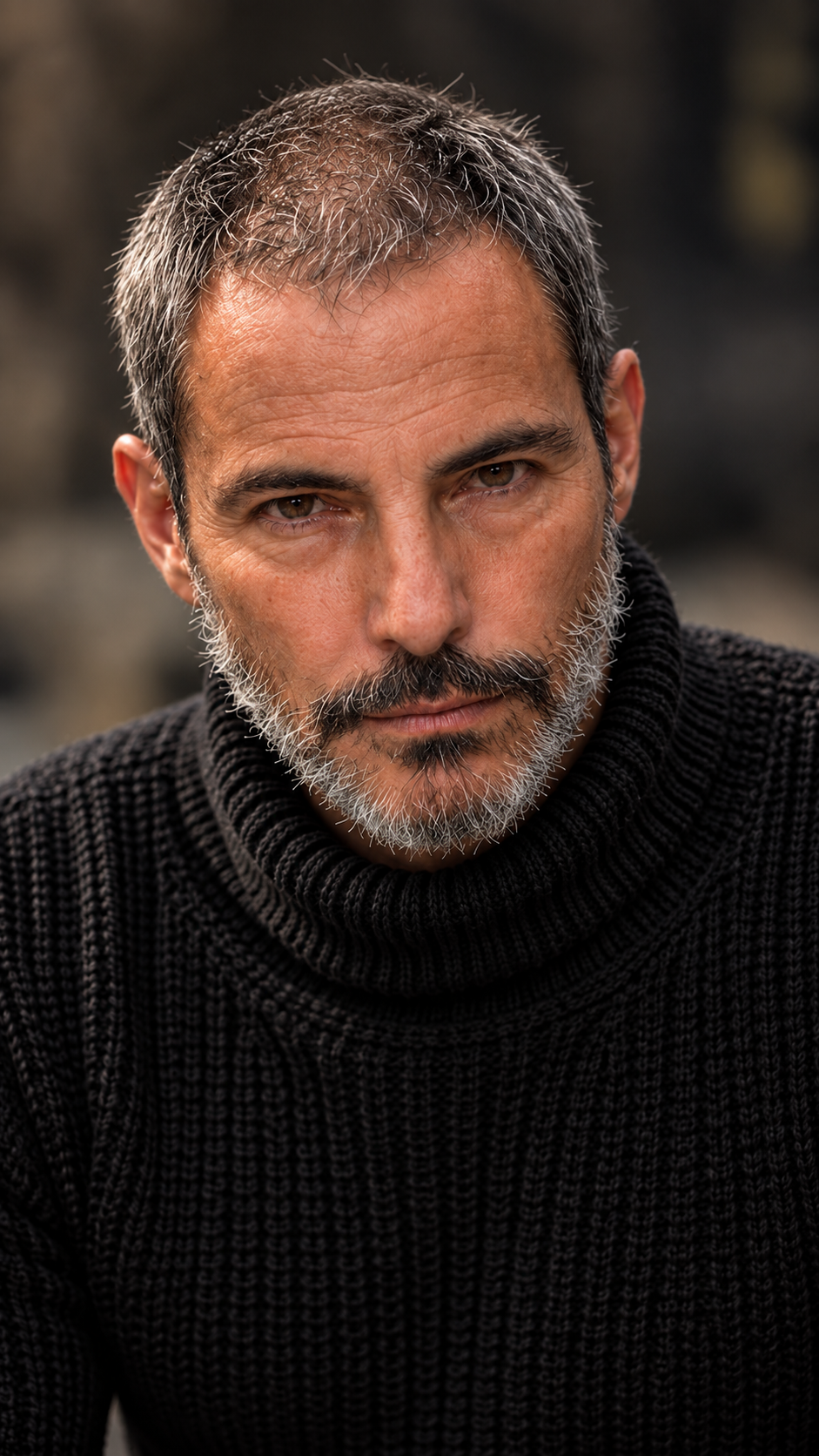
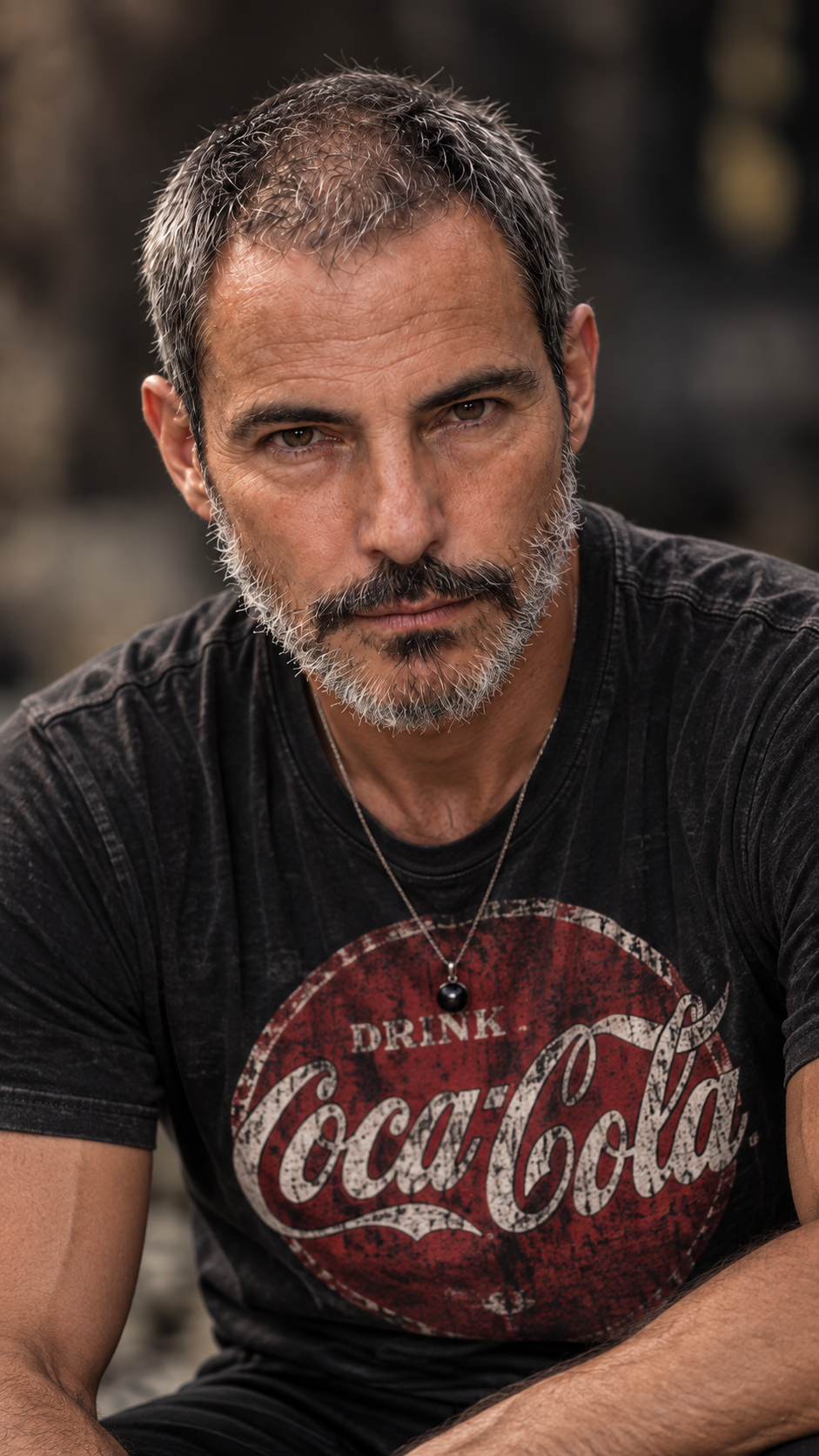
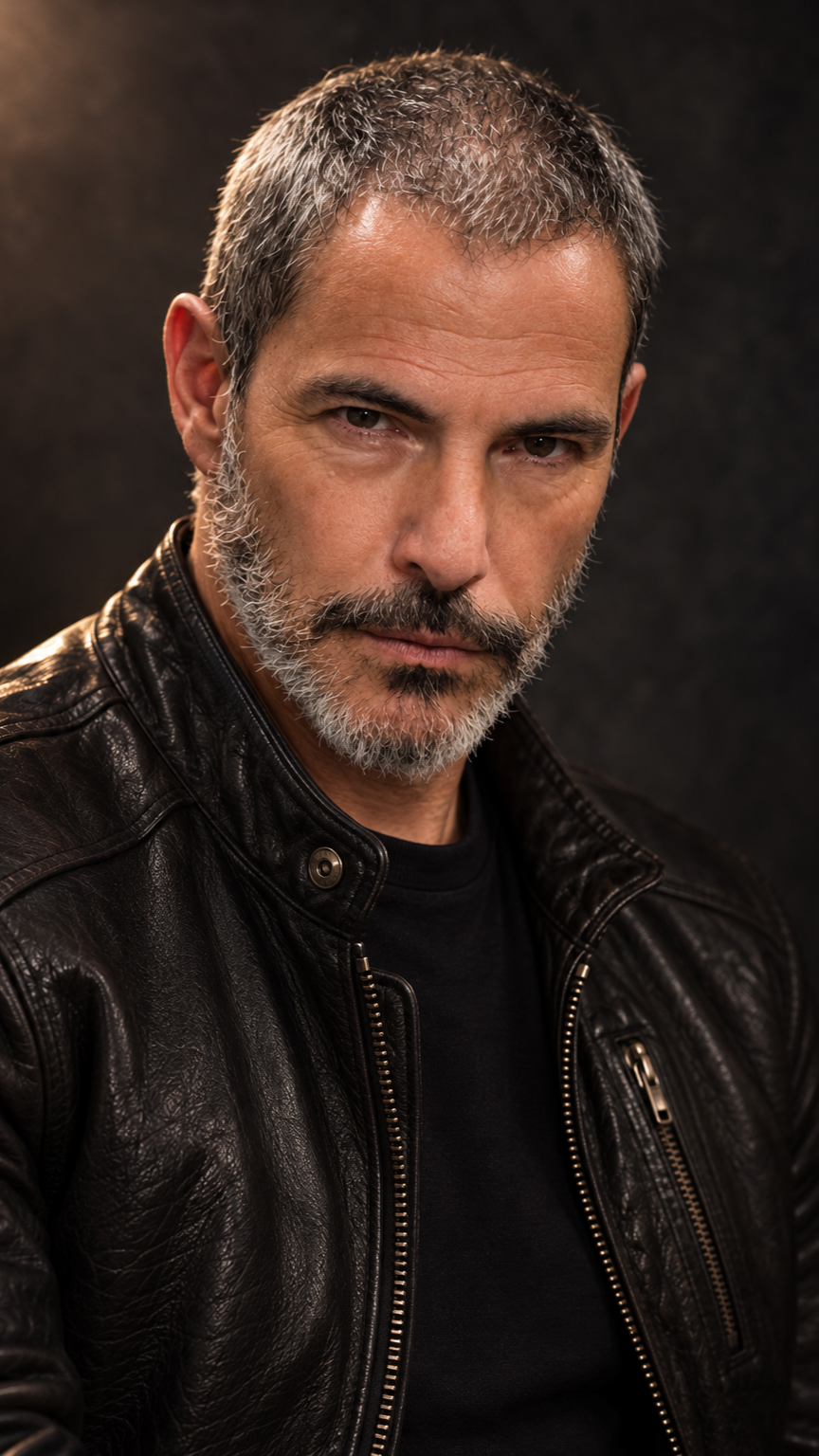
There are also the things people cannot see in a photograph.
Memory gaps. Moments of confusion. The frustration of knowing that something used to be automatic and discovering that it now requires deliberate thought. The strange experience of knowing who you are while also recognizing that your brain and body do not always operate exactly as they did before.
Recovery has taught me that progress and complete restoration are not the same thing.
I can become stronger without pretending the weakness is gone.
I can walk farther while still acknowledging that my left leg requires work.
I can adapt to visual impairment without pretending I see exactly as I did before.
I can rebuild routines while still living with the reality that the stroke changed me.
For a long time, I thought recovery meant getting back to the person I had been before everything happened. I look at it differently now.
Recovery is learning how to live fully as the person I am today.
Some days that means pushing myself. Some days it means recognizing fatigue before it changes the way I move. Sometimes it means celebrating progress that another person might never notice.
A better step.
More balance.
A longer walk.
A task that requires less concentration than it did a month ago.
Remembering something that once felt lost.
Those things matter.
The lasting effects of a stroke can be difficult because the outside world often sees the recovery before the person living it feels recovered. You can look healthy. You can smile. You can work. You can have a conversation. You can take a photograph.
And still be working around neurological deficits every single day.
I have learned not to measure my life only by what the stroke took from me.
It also revealed how adaptable the human body and mind can be.
I am still working.
Still adjusting.
Still strengthening what can be strengthened.
Still learning how to compensate where I need to.
Still trying to give my brain and body every opportunity to improve.
And I am also learning something equally important: I do not have to wait until every deficit disappears before I allow myself to live.
The stroke is part of my story.
Its effects remain part of my life.
But neither one gets to be the entire story.
I am still here.
Still moving forward.
And some days, moving forward one deliberate step at a time is more than enough.